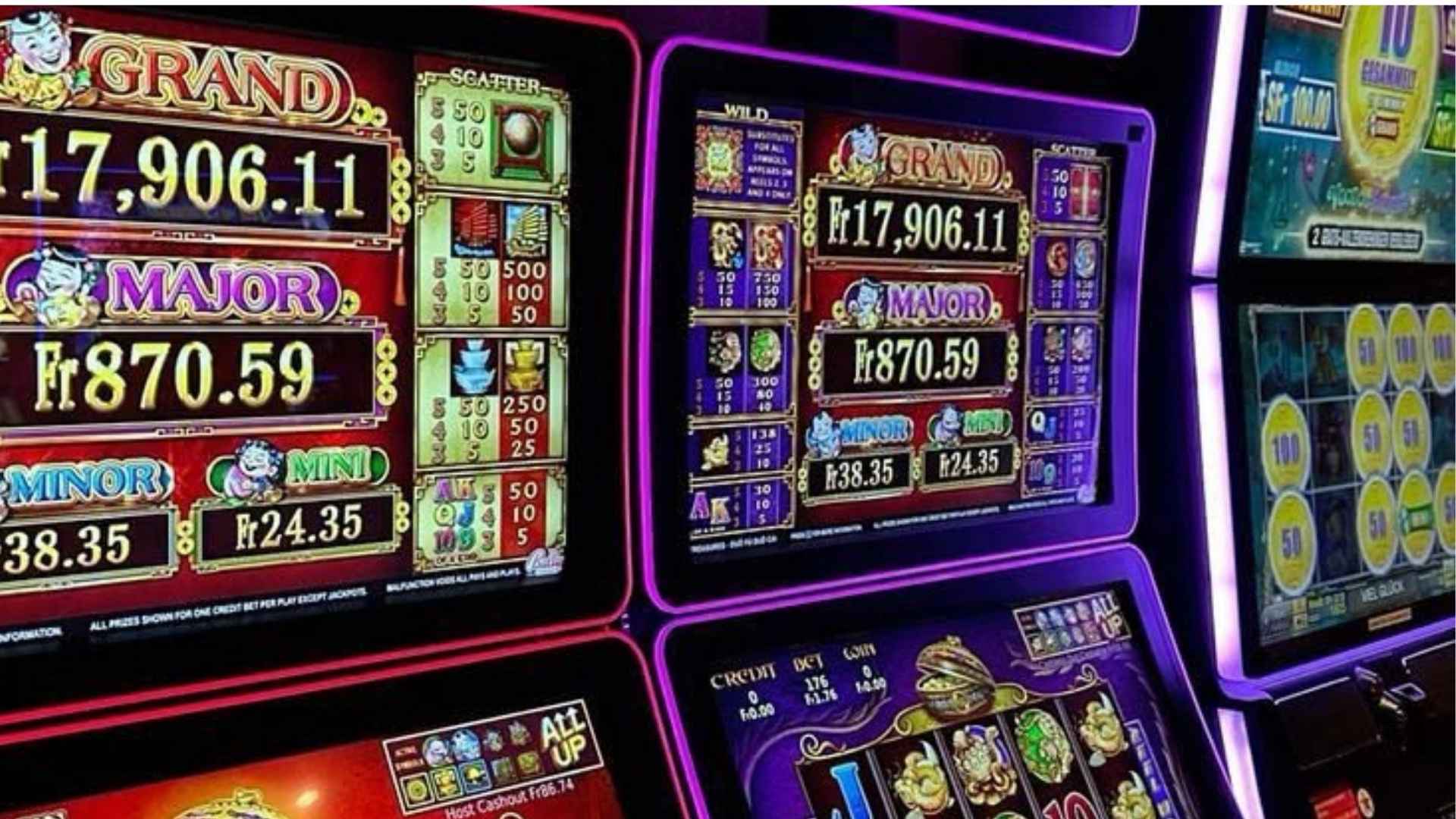
The global sports wagering industry is entering a sophisticated era where simple intuition is being replaced by data-driven methodologies and high-speed digital tools. This evolution allows enthusiasts to engage with markets using professional-grade resources that were previously reserved for industry analysts.
The Impact of Predictive Analytics on Strategy
Advanced predictive models now process thousands of data points ranging from player biometric feedback to historical weather patterns. These sophisticated systems allow participants to identify marginal value in markets that traditional odds-making might overlook.
By leveraging machine learning algorithms, modern bettors can simulate match outcomes with a high degree of statistical accuracy. This shift toward quantitative analysis reduces the emotional bias often associated with sports engagement.
Integrating these tools into a daily routine requires a disciplined approach to bankroll management and data interpretation. Successful users often combine algorithmic outputs with qualitative insights to form a holistic view of an upcoming event.
Real Time Data Integration and Live Markets
The rise of high-speed connectivity has transformed live wagering from a niche activity into a primary method of digital interaction. Real-time statistics feeds now provide instantaneous updates that allow users to respond to shifting match dynamics within seconds.
Modern interfaces prioritize low-latency streams and rapid execution to ensure that opportunities are not lost due to technical delays. This level of responsiveness is crucial for those participating in volatile markets where every moment counts.
Platforms like m88 casino exemplify this trend by offering seamless access to global markets through highly optimized digital environments. Such hubs provide the necessary infrastructure for users to manage complex portfolios across various athletic disciplines.
Blockchain Technology and Enhanced Transparency
Blockchain integration is redefining how trust is established between operators and participants by providing immutable records of every transaction. This decentralized approach ensures that payouts and wagering histories remain transparent and beyond manual interference.
Smart contracts are also being utilized to automate the settlement process, significantly reducing the time it takes for funds to reach a user's wallet. These innovations provide a level of security that was unattainable in the early days of digital gaming.
As regulatory frameworks catch up with these technological shifts, the focus on fair play and verification continues to grow. These structural improvements foster a more sustainable and reliable environment for long-term participants.
Personalization through Artificial Intelligence
AI-driven dashboards are now capable of curating specific market insights based on a user's historical preferences and risk appetite. This level of personalization helps enthusiasts focus on the sectors where they possess the most expertise and knowledge.
Automated alerts and risk-mitigation tools can also notify users of unusual market movements or potential hedging opportunities. These proactive features serve as a digital assistant for the modern bettor seeking to optimize their overall performance.
The synergy between human judgment and automated intelligence is the hallmark of the current wagering landscape. Embracing these advanced solutions is essential for anyone looking to navigate the complexities of global sports markets in 2026.