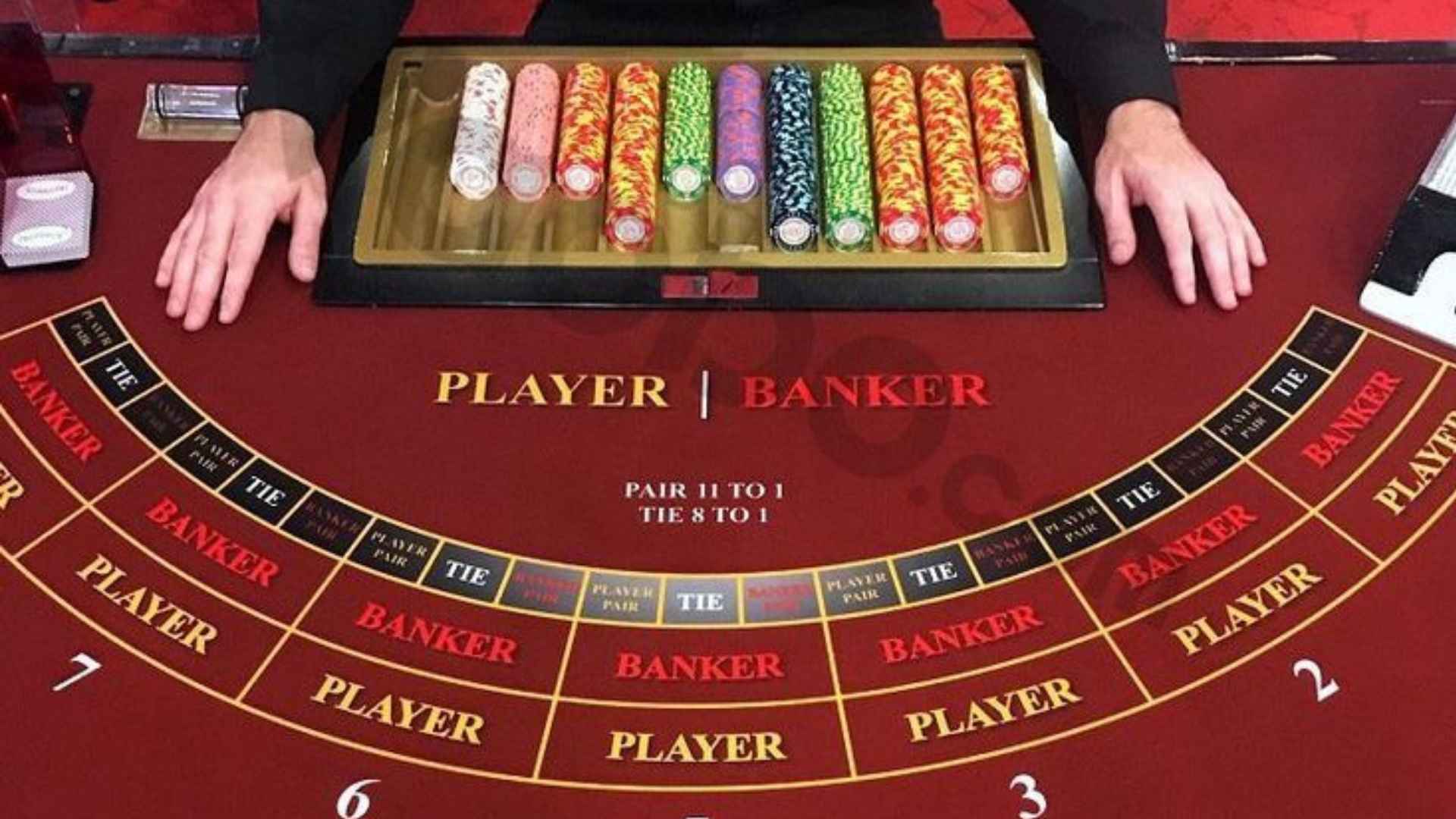
Baccarat is often celebrated for its low house edge and straightforward rules, making it highly attractive to players seeking consistent table experiences. However, transitioning from a casual observer to a disciplined participant requires a structured framework focused on steady development. By analyzing the subtle operational layers of this classic game, enthusiasts can develop a comprehensive approach that promotes sustainable play and minimized strategic errors.
Analyzing the Mathematical Realities
The first step toward meaningful table improvement involves developing a thorough appreciation for the game's intrinsic probabilities. Statistically, the banker position features the lowest house edge available, making it the mathematical foundation for most optimized selection systems. Prioritizing this specific option allows players to work alongside the dealer's natural advantage rather than pushing against long-term statistical trends.
Conversely, the tie wager presents a significantly higher layout disadvantage despite its seemingly lucrative payout structures. Experienced participants recognize that chasing occasional outlier outcomes often diminishes baseline capital over extended gaming shoes. Transitioning to a model of consistent selections helps stabilize individual performance and removes unpredictable variance from the core experience.
Implementing Structured Capital Management
Refining table choices means very little if a player does not possess a strict framework for managing their overall gaming bankroll. Establishing strict session boundaries ensures that natural volatility does not result in emotional or hasty decision-making. Utilizing uniform flat betting structures is often recommended because it keeps individual risks predictable and completely manageable across multiple rounds.
Furthermore, defining clear objectives regarding when to step away prevents participants from overextending during favorable or challenging table streaks. Many individuals test these pacing methods and structural concepts on modern digital platforms like M88 slot before engaging in live environments. Maintaining complete command over your capital allocation remains the ultimate differentiator between chaotic play and sustainable enjoyment.
Developing Long Term Table Discipline
True progress relies on a player's ability to view each individual card distribution as an isolated and completely independent statistical event. Relying on electronic scoreboard tracking to predict immediate hot or cold streaks often introduces cognitive biases that disrupt structured plans. Relying strictly on verified mathematical baselines eliminates guesswork and protects the overall integrity of your approach.
In conclusion, building a complete improvement framework requires a balanced combination of probability tracking, financial boundaries, and emotional restraint. By focusing on steady, marginal enhancements rather than immediate windfalls, enthusiasts can navigate physical and virtual environments with heightened confidence. Cultivating these structured habits ensures that your time at the table remains analytical, safe, and highly organized.